Handel : Tamerlano
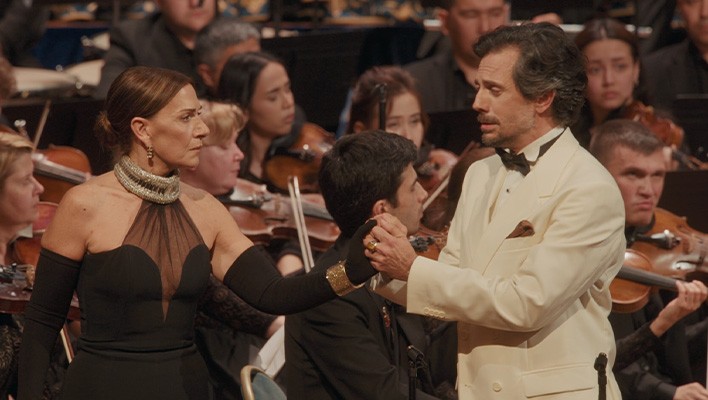
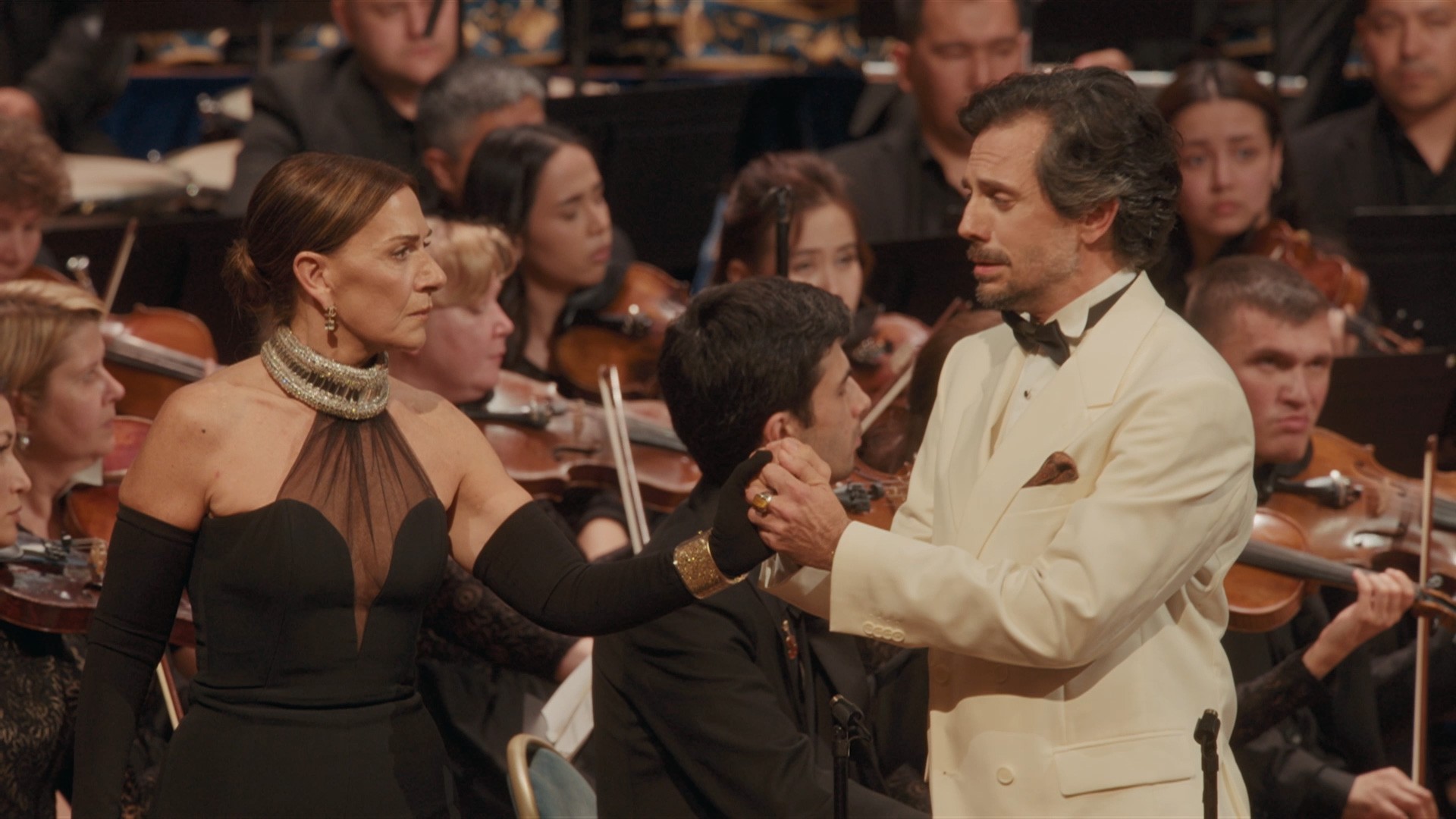
The Royal Opera of Versailles hosted Handel’s Tamerlano, at the initiative of the Uzbekistan Art and Culture Development Foundation. This concert version, presented for the first time in France, combines Baroque tradition with contemporary sensibility. Three centuries after its premiere, the work demonstrates the enduring relevance of its universal themes: power, love, and destiny.
Handel : Tamerlano
Veronica Cangemi Soprano
Jenisbek Piyazov Baritone
Juan Sancho Tenor
National Symphony Orchestra of Uzbekistan
Honored Choir of Republic of Uzbekistan
Alibek Kabdurakhmanov Conductor
On June 30th 2026, the Royal Opera of Versailles will host a concert performance of Tamerlano by George Frideric Handel, presented at the initiative of the Uzbekistan Art and Culture Development Foundation.
Composed in 1724, Tamerlano is widely regarded as one of the masterpieces of Handel’s operatic repertoire. Renowned for its rich dramatic structure and demanding vocal writing, the opera is given a fresh interpretation in this new production. Conceived by Kirill Richter, the musical concept brings together Baroque aesthetics and contemporary sensibilities, while remaining faithful to and subtly extending the spirit of the original score.
The production will feature the National Symphony Orchestra of Uzbekistan under the direction of Alibek Kabdurakhmanov, alongside the National Choir of the Republic of Uzbekistan, conducted by Gulnara Malikova. The principal roles will be performed by Zhenisbek Piyazov (Tamerlane), Juan Sancho (Bayezid), and Veronica Cangemi (Asteria).
Following its acclaimed premiere at the Musikverein, the project continues its international journey. For the first time in France, the opera will be presented as a fully realised concert performance. This approach highlights the musical dimension of the work, placing particular emphasis on its orchestral, choral and vocal dramaturgy.
Inspired by the story of Amir Temur, the opera explores universal themes of power, love, fate and moral choice. Remarkable for its dramatic intensity, it remains profoundly relevant to contemporary audiences. Written in just twenty days, this tricentennial masterpiece finds renewed resonance today, bringing together cultural traditions and musical eras.
In 2024, the opera marked the 300th anniversary of its composition with a major new production created by the Uzbekistan Art and Culture Development Foundation.
Recorded on June 30, 2026, at the Royal Opera of the Palace of Versailles.

- Genre Concert
- Period 18th century
- Collection Château de Versailles Spectacles
- pieces Tamerlano
- Composer Handel
- Musical Ensemble National Symphony Orchestra of Uzbekistan - Honored Choir of Republic of Uzbekistan
- Conductor Alibek Kabdurakhmanov
- Soloists Veronica Cangemi - Jenisbek Piyazov - Juan Sancho
- Duration 1'15''16
Handel : Tamerlano
Veronica Cangemi Soprano
Jenisbek Piyazov Baritone
Juan Sancho Tenor
National Symphony Orchestra of Uzbekistan
Honored Choir of Republic of Uzbekistan
Alibek Kabdurakhmanov Conductor
On June 30th 2026, the Royal Opera of Versailles will host a concert performance of Tamerlano by George Frideric Handel, presented at the initiative of the Uzbekistan Art and Culture Development Foundation.
Composed in 1724, Tamerlano is widely regarded as one of the masterpieces of Handel’s operatic repertoire. Renowned for its rich dramatic structure and demanding vocal writing, the opera is given a fresh interpretation in this new production. Conceived by Kirill Richter, the musical concept brings together Baroque aesthetics and contemporary sensibilities, while remaining faithful to and subtly extending the spirit of the original score.
The production will feature the National Symphony Orchestra of Uzbekistan under the direction of Alibek Kabdurakhmanov, alongside the National Choir of the Republic of Uzbekistan, conducted by Gulnara Malikova. The principal roles will be performed by Zhenisbek Piyazov (Tamerlane), Juan Sancho (Bayezid), and Veronica Cangemi (Asteria).
Following its acclaimed premiere at the Musikverein, the project continues its international journey. For the first time in France, the opera will be presented as a fully realised concert performance. This approach highlights the musical dimension of the work, placing particular emphasis on its orchestral, choral and vocal dramaturgy.
Inspired by the story of Amir Temur, the opera explores universal themes of power, love, fate and moral choice. Remarkable for its dramatic intensity, it remains profoundly relevant to contemporary audiences. Written in just twenty days, this tricentennial masterpiece finds renewed resonance today, bringing together cultural traditions and musical eras.
In 2024, the opera marked the 300th anniversary of its composition with a major new production created by the Uzbekistan Art and Culture Development Foundation.
Recorded on June 30, 2026, at the Royal Opera of the Palace of Versailles.
- Genre Concert
- Period 18th century
- Collection Château de Versailles Spectacles
- pieces Tamerlano
- Composer Handel
- Musical Ensemble National Symphony Orchestra of Uzbekistan - Honored Choir of Republic of Uzbekistan
- Conductor Alibek Kabdurakhmanov
- Soloists Veronica Cangemi - Jenisbek Piyazov - Juan Sancho
- Duration 1'15''16